Ceramic Fiber Blanket Supplier In Kutch
Details of Ceramic Fiber Blanket
Supplying ceramic fiber blanket in Kutch, we keep focus on making sure these insulation materials stand up well under pressure. Compression resistance plays a big role here—without it, the blanket could lose shape and effectiveness. Our blankets hold firm, keeping insulation tight even when space is tight or weight presses down.
Ceramic fiber blankets are known for withstanding high heat but staying flexible enough to fit tricky spots. That mix is rare; most hot insulation tends to get brittle or crush too easily. We watch those details closely because durability means less waste and fewer replacements over time.
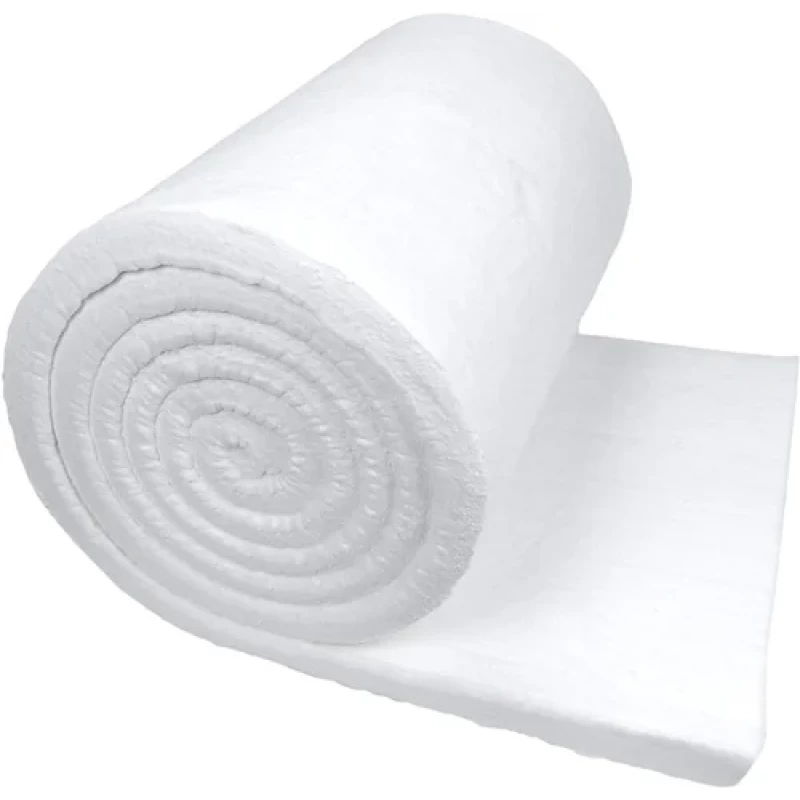
Then there's the matter of installation ease. Our ceramic fiber blankets come in manageable rolls or sheets that can be cut or shaped as needed onsite. This helps reduce labour time and keeps projects running on schedule. Plus, fitting right reduces gaps that hurt thermal performance.
Our Approach Over Years
We don’t just sell products; we build trust over years by standing behind our work and goods. Consistency is key — our suppliers maintain steady quality so you don’t get surprises from batch to batch. We’ve learned that meeting deadlines beats flashy promises every time.
Besides quality, we pay attention to safety rules during production and delivery. Handling ceramic fibers isn’t simple—they irritate skin and lungs if proper steps aren’t followed. So we train staff and advise clients on safe use without cutting corners.
Looking Ahead
Long-term relationships come from solving real problems not pushing quick deals. We listen more than talk to understand what specific applications need because each job has its quirks — like different machinery setups or environmental factors found around Kutch’s dusty air and salty winds (a detail many overlook). It's part of what guides product choices.
Check Features Before Order
Ceramic fiber blanket's strength lies in several key features: high-temperature tolerance often beyond 1000°C, low thermal conductivity reducing heat loss significantly, good chemical stability against acids or alkalis usually present in industrial areas, plus compression resistance which keeps thickness stable under load.
Offered Product
